
A versatile and strategic legume for the agri-food market
Origins and spread of borlotti beans
Borlotti beans are among the most appreciated and recognizable legume varieties, thanks to their distinctive red-speckled skin and their mild, well-balanced flavor.
They originated in the Americas and were introduced to Europe during the 16th century. Italy proved to be an ideal environment for their cultivation, and over time they became a staple ingredient in Mediterranean cuisine.
Today, borlotti beans are grown in several regions worldwide — Europe, North America and South America — and represent a strategic agricultural commodity in the international trade of dried and preserved legumes.
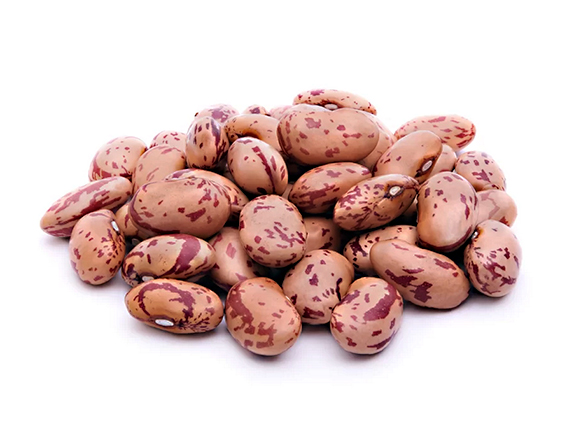
Characteristics and culinary uses
From a culinary perspective, borlotti beans are extremely versatile. Once cooked, they develop a creamy texture and a balanced taste, making them suitable for a wide range of applications.
Common uses include:
- Traditional soups and stews
- Pasta and bean dishes
- Legume-based salads
- Hot or cold side dishes
- Industrial preparations such as canned products, ready meals and legume blends
This adaptability makes borlotti beans attractive both for household consumption and for the food service and retail sectors.
Nutritional values of borlotti beans
Borlotti beans offer a high nutritional profile, fully aligned with current trends focused on health and sustainability.
They provide:
- A high level of plant-based proteins
- Significant amounts of dietary fiber
- Valuable minerals such as iron, potassium and magnesium
- Low fat content
- No cholesterol
Thanks to these properties, borlotti beans are widely used in vegetarian and vegan diets, as well as in balanced nutritional plans.
The borlotti bean market
Within the global legume market, borlotti beans hold a solid and growing position. Demand is driven by both traditional European markets and non-EU countries, where interest in natural, nutritious and shelf-stable foods continues to rise.
For B2B operators, importers and distributors, borlotti beans represent:
- A stable and easy-to-store product
- A key ingredient for the food processing industry
- A suitable reference for private label and international brands
- A legume aligned with sustainable supply chain policies
Borlotti beans and the SAG Pulses vision
Borlotti beans are selected according to strict standards of quality, traceability and supply chain reliability, ensuring a consistent product suitable for different markets and applications.