
blog – Sag Pulses BV

Pulses
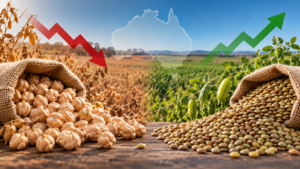
Chickpeas down, lentils up: two opposite supply stories for 2026/27

Australia’s pulse sector is entering the 2026/27 season with two sharply contrasting supply dynamics. Chickpea production is forecast to contract significantly, while lentil output could reach another record. For international buyers, this divergence is a reminder that speaking broadly about the “pulse market” can be misleading: availability, pricing and sourcing strategies need to be assessed commodity by commodity.

Read More »
B2B trade
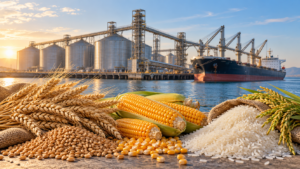
Wheat, Corn and Rice Rising Together: What This Means for B2B Procurement

International wheat, corn and rice prices have risen simultaneously, reducing buyers’ ability to offset higher costs through simple commodity substitution. Black Sea logistics constraints, weather uncertainty, reduced export availability and energy costs are reshaping procurement strategies. B2B buyers increasingly need to evaluate total landed cost, origin, availability and shipment reliability while adopting more diversified and flexible sourcing programmes.

Read More »
B2B trade
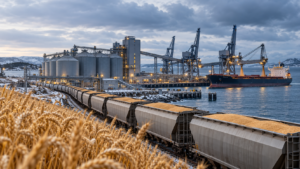
New ports, new risks: how Russian grain routes are changing

Black Sea disruption is pushing Russia and Ukraine towards Baltic, Arctic and Danube ports. These alternative routes keep trade moving, but they also increase distances, costs, transit times and compliance requirements. This article examines the risks buyers and importers should assess before comparing or confirming an offer.

Read More »
rice
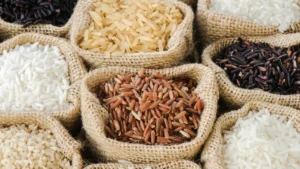
Rice sourcing after India’s production downgrade: what buyers need to consider

Indian rice production could decline significantly in 2026 because of insufficient rainfall and a reduction in planted area. Large public inventories limit the immediate risk of export restrictions, but prices, premium varieties and sourcing costs remain under pressure. This article examines the main implications for buyers, importers and food manufacturers.

Read More »
B2B trade
War, freight and pulse prices: what buyers should watch in 2026

Geopolitical conflicts, higher energy costs, disruptions across major trade routes and adverse weather conditions are making international pulse markets increasingly complex. In 2026, buyers can no longer assess a purchase solely on origin prices: freight, availability, quality, transit times and supply-chain risk are becoming essential components of the true cost of a commodity.

Read More »