
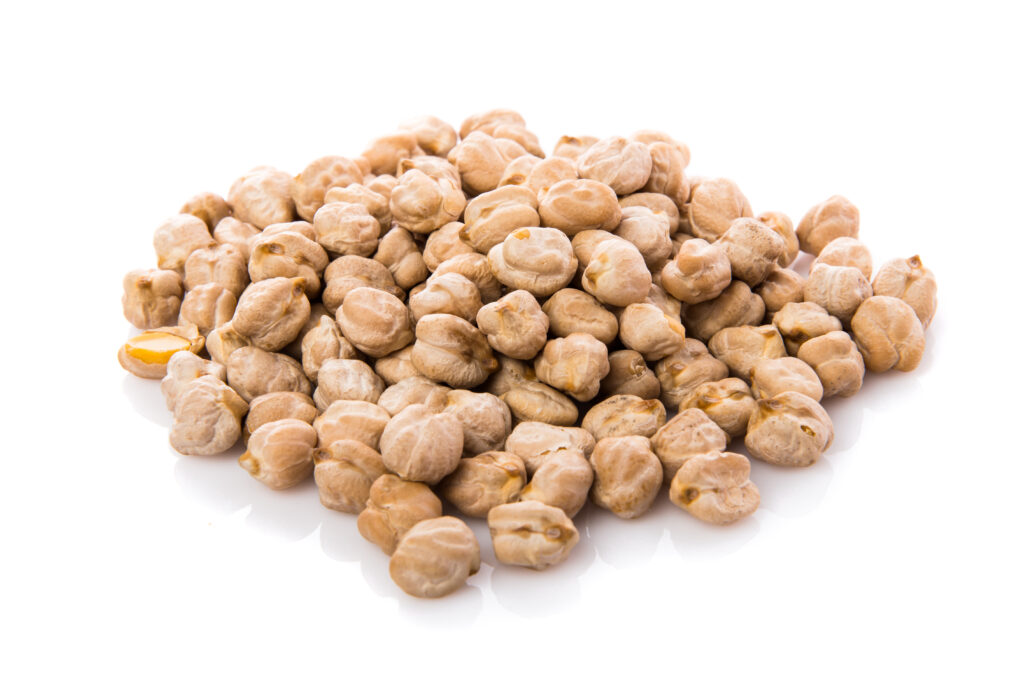
Chickpeas are among the oldest cultivated legumes, with historical evidence dating back over 7,000 years across Asia and the Mediterranean. Today, they are essential both for human nutrition and for sustainable agriculture. Rich in plant-based protein, fiber, and essential minerals, chickpeas are used in a wide variety of traditional and modern recipes, from classic hummus to aromatic Indian curries.
Another key advantage of chickpeas is their affordable price. Their cost remains generally accessible, making chickpeas a nutritious and sustainable choice even from an economic standpoint. Moreover, Italy is one of the leading European producers of chickpeas, particularly in central and southern regions, where climate and soil conditions are ideal for cultivation.
Benefits
- Supports muscle function thanks to plant proteins
- Helps maintain stable blood sugar levels
- Contributes to cardiovascular wellness
- Promotes satiety and digestive balance
- Provides long-lasting energy through complex carbohydrates
Chickpeas are also a low-input crop, requiring fewer natural resources, which supports more sustainable agricultural systems.
Culinary uses
- Whole, in soups and stews
- Chickpea flour for pasta, baked goods, farinata and panelle
- Hummus and spreads
- Roasted chickpea snacks
- Falafel, curries and Middle Eastern dishes
- Chickpea pasta, increasingly popular in modern markets
At SAG Pulses, we supply high-quality chickpeas from certified supply chains, available in multiple sizes, packaging formats and origins, meeting the needs of food manufacturers, distributors and private label brands.